October 19, 2026
What Is Changing on the Job Site, and How I Keep up Without Losing the Basics
By JonCarlo Oren
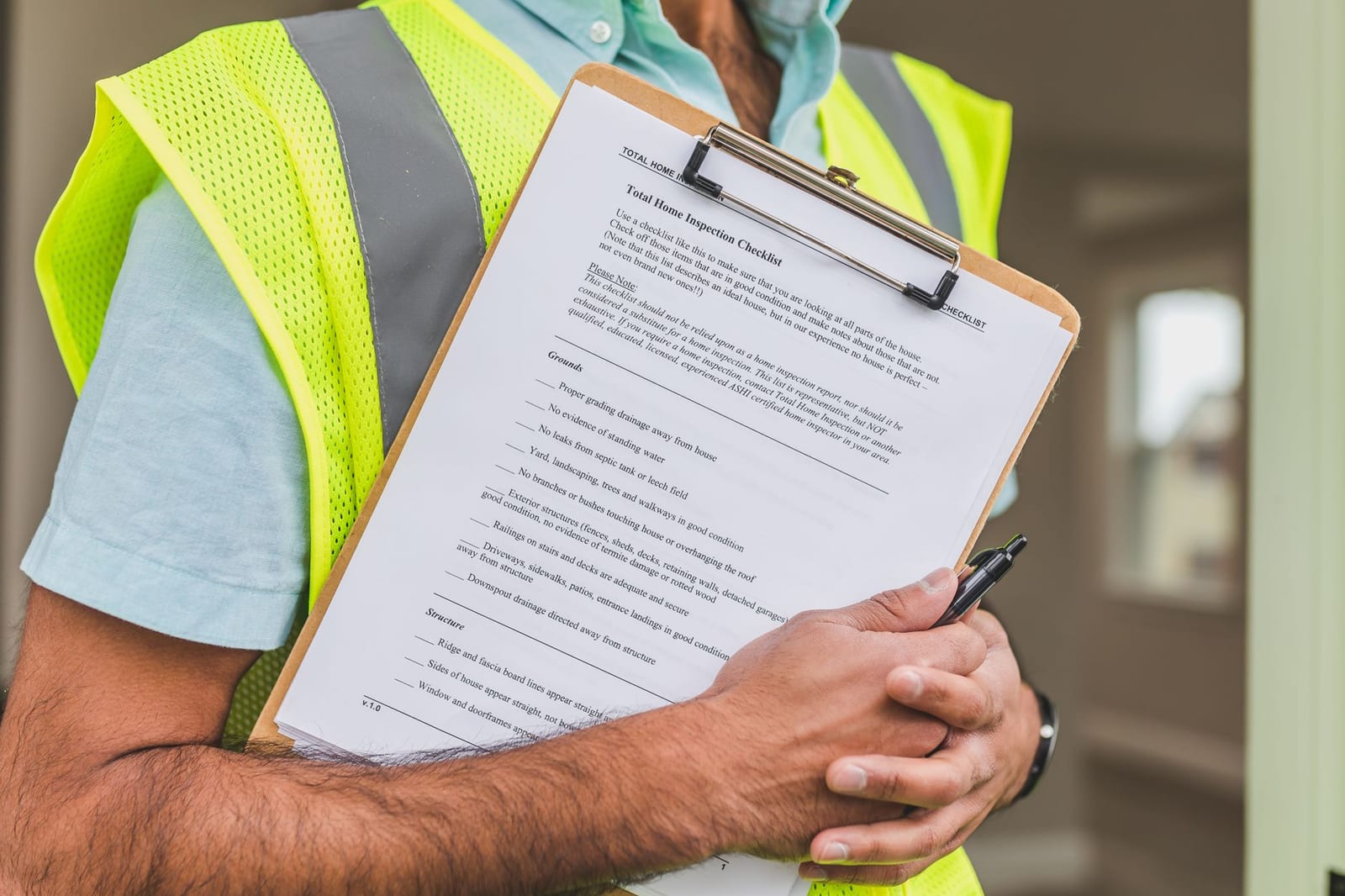
The Paper Trail Is Disappearing
For much of my career, quality control on a construction site involved a clipboard, a pen, and inspection forms organized in a three-ring binder. Today, more of that work happens on a tablet or laptop, with records available to the project team through shared systems.
My work has included supporting construction quality requirements on projects involving the U.S. Army Corps of Engineers (USACE) and the Naval Facilities Engineering Systems Command (NAVFAC). On these projects, clear documentation and consistent follow-through are essential to keeping the contractor and government team informed.
I use tools like Excel, RMS, ECMS, and CMIS, depending on the project’s requirements, to organize information and support the tracking of inspections, submittals, deficiencies, and corrective actions. These tools make it easier to retrieve a record, follow an outstanding issue, or provide a government representative with a clear update on project status.
That accessibility makes a real difference when several trades are working and decisions need to be made. But faster documentation still requires careful verification. That is something I keep in mind as the tools continue to change.
What the Software Cannot See
A dashboard can show that an inspection was logged. Understanding what that inspection covered requires looking at the observations, supporting records, and field conditions behind the entry.
Someone still needs to walk the work area, compare the installation with the drawings and approved submittals, and recognize when something needs clarification. A material, connection, or equipment requirement can look acceptable at first glance and still deserve a closer review.
On projects involving USACE or NAVFAC, that attention carries through the preparatory, initial, and follow-up phases of quality control. Reviewing requirements before work begins, checking the first installation, and following the work as it progresses all contribute to a reliable project record.
A clean dashboard is useful, but I want to understand what supports it. Were the applicable requirements checked? Does the record accurately describe the installation? Are there unresolved questions that need to be brought to the team?
Those questions are part of what makes the information reliable.
What I Actually Do Differently Now
As digital tools become a larger part of the job, I pay closer attention to how the fieldwork and documentation support each other.
I still walk the site before I trust the report. Before closing an inspection item, I verify that the required field review, supporting documentation, and any applicable testing have been completed. The entry should reflect what was actually checked and observed.
I write notes the system does not ask for. Whether I am maintaining an Excel tracker or entering information into RMS, ECMS, or CMIS, I want the record to be understandable. When an item needs explanation, I document the condition, the applicable requirement, and the action taken or still needed. Six months later, that detail can help someone understand the decision without having to track down everyone involved.
I treat a quiet dashboard as a question, not an answer. Having few open issues can reflect good planning and quality work. I still compare the reported status with field observations and conversations with the team. That follow-up helps me provide an accurate picture of where the work stands.
I keep the conversation with subcontractors going outside the system. A corrective action entered into a tracking system helps maintain accountability. A direct conversation on site helps everyone understand the concern and coordinate the next step. I work with the superintendent and subcontractors to address the issue, document the outcome, and verify the required resolution.
Why This Matters Beyond Construction
This same question reaches beyond the job site: as more work moves into digital systems, how do we maintain confidence in the information those systems provide?
Technology can help people organize records, identify patterns, and bring outstanding issues to their attention. Its usefulness depends on how the information is collected, reviewed, and acted upon.
My approach is to understand the tool’s capabilities and keep clear responsibility for the decisions made with it. In construction, that means connecting the digital record to the drawings, specifications, approved submittals, and actual installation.
Working with government project teams reinforces the importance of that connection. Clear records help people review progress, understand outstanding concerns, and follow the steps taken to resolve them.
Where I Land on It
The tools I use today offer more capabilities than those I used earlier in my career, and I expect them to keep developing. I plan to keep learning because good systems can save time, improve coordination, and make project records easier to follow.
At the same time, I remain grounded in the basics: walk the site, know the requirements, ask questions, and document what was verified.
Whether I am using Excel, RMS, ECMS, or CMIS, my responsibility remains the same: provide an accurate record of the work and follow through on issues that need attention.
For me, keeping up means bringing those habits into every new system I use. A reliable project record starts with careful work in the field, and maintaining that connection is part of my responsibility as a quality control professional.